Featured

The Buzz on Safeguarding Yourself Against Fraudulent Operators
Table of Contents
, and see exactly how filing tax obligations can be simplified.
While you can bargain with lenders by yourself, it's commonly a challenging and time-consuming process, particularly if you require to solve a huge amount of financial debt across numerous accounts. The process needs a solid understanding of your funds and the lender's terms in addition to confidence and persistence. Because of this, there are debt alleviation companies likewise called debt negotiation firms that can deal with the negotiations for you.
People who register in the red relief programs have, usually, about $28,000 of unprotected financial debt across almost 7 accounts, according to an analysis appointed by the American Association for Financial Obligation Resolution, which checked out customers of 10 major financial obligation relief firms between 2011 and 2020. About three-quarters of those customers contended least one financial obligation account effectively cleared up, with the typical enrollee resolving 3.8 accounts and even more than half of their registered financial obligation.
Is It Worthwhile to Invest in Professional Bankruptcy Guidance Fundamentals Explained
It's common for your credit rating to drop when you first begin the debt alleviation procedure, specifically if you quit paying to your financial institutions. As each financial debt is cleared up, your credit rating must begin to rebound. Make certain you recognize the complete prices and the impact on your debt when reviewing if financial debt settlement is the best option.
As discussed over, there are choices to financial debt negotiation that may be a better fit for your monetary situation. Below's a quick breakdown of just how each option works: Debt debt consolidation lets you integrate multiple financial debts right into one by getting a new funding to repay your present financial debts. This strategy transforms several financial obligations into a solitary regular monthly settlement and typically uses a reduced rate of interest, streamlining your finances and possibly saving you cash over time.
Fascination About Unsecured Debt How Strategic Goal Setting Can Transform Your Debt Elimination Journey : APFSC Pathways
Below's just how every one works: Financial debt consolidation lendings: These are personal lendings that you can utilize to resolve your existing financial obligations, leaving you with just one monthly bill, generally at a lower interest price. Balance transfer bank card: This involves moving your existing debt card equilibriums to a brand-new bank card that provides a reduced rate of interest rate or a promotional 0% APR for a set period.
When the duration finishes, rate of interest rates will certainly be considerably high typically over 20%. Home equity financings or HELOCs (home equity credit lines): These finances allow you to obtain against the equity in your house. You obtain a lump sum or a credit line that can be utilized to settle financial obligations, and you typically benefit from lower rate of interest compared to unsecured lendings.
These strategies have several benefits, such as streamlining your settlements by consolidating several into one and possibly lowering your rates of interest. They commonly come with a configuration fee ranging from $30 to $50, and a monthly upkeep fee of around $20 to $75, depending on the agency you function with.
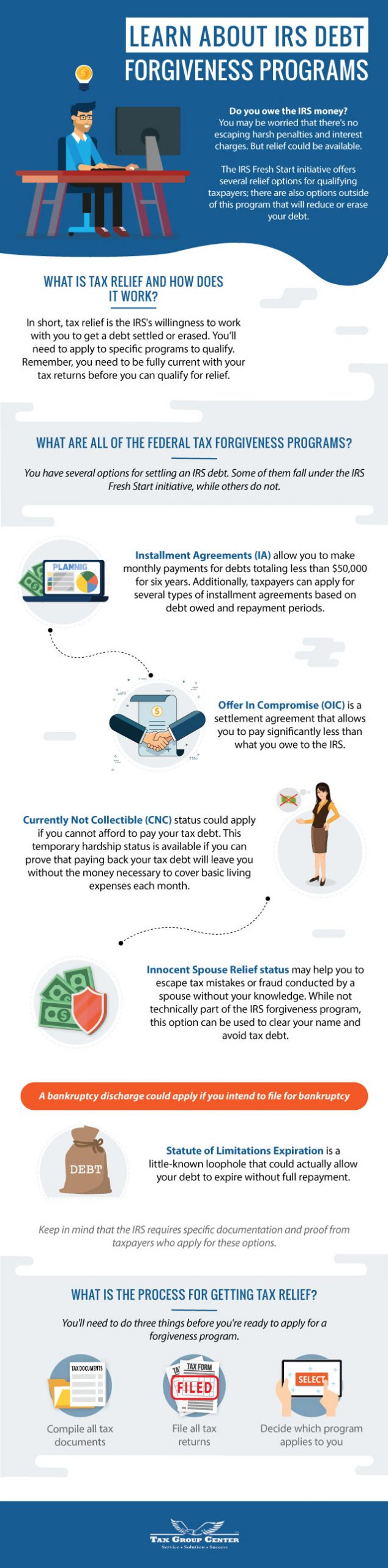
Whichever your scenario is, take into consideration talking with a licensed debt therapist, a personal bankruptcy attorney, or a licensed debt consultant prior to progressing. They can help you obtain a complete understanding of your finances and choices so you're far better prepared to choose. One more factor that influences your choices is the sort of debt you have.
Things about Extended Support and Follow-Up Programs
Kevin Briggs was a successful proprietor with a six-figure earnings, yet after a year of pandemic challenges, he found himself in 2021 with $45,000 in credit scores card financial debt."Much less than three years later on, Briggs had removed his credit card financial obligation, many thanks to that rescue a new not-for-profit financial obligation alleviation program from InCharge Debt Solutions called "Credit score Card Financial Obligation Mercy."Credit Scores Card Financial debt Mercy, also known as the Less Than Full Balance program, is financial debt alleviation for people that have actually not been able to make credit card repayments for 6 months and creditors have charged off their accounts, or are about to.
The catch is that nonprofit Bank card Debt Forgiveness isn't for every person. To certify, you need to not have actually made a repayment on your bank card account, or accounts, for 120-180 days. On top of that, not all creditors take part, and it's only offered by a couple of not-for-profit credit rating therapy companies. InCharge Debt Solutions is among them.
The Main Principles Of Market Changes in Bankruptcy Counseling and Debtor Options
The Credit Report Card Mercy Program is for people that are so much behind on credit report card settlements that they are in serious financial trouble, perhaps encountering personal bankruptcy, and don't have the revenue to capture up."The program is specifically designed to help customers whose accounts have been charged off," Mostafa Imakhchachen, customer treatment specialist at InCharge Financial obligation Solutions, stated.
Financial institutions that participate have actually agreed with the nonprofit credit counseling agency to approve 50%-60% of what is owed in repaired month-to-month settlements over 36 months. The fixed payments imply you know exactly just how much you'll pay over the settlement period. No interest is billed on the balances during the payoff duration, so the settlements and amount owed don't alter.

Table of Contents
Latest Posts

Why Waiting Your Debt Problems Will Cost You Fundamentals Explained
Facts About How Tech Is Making How Debt Impacts Mental and Emotional Well-Being More Accessible Revealed

The 7-Minute Rule for First Assessment with APFSC
More
Latest Posts
Why Waiting Your Debt Problems Will Cost You Fundamentals Explained
Facts About How Tech Is Making How Debt Impacts Mental and Emotional Well-Being More Accessible Revealed
The 7-Minute Rule for First Assessment with APFSC